Electric vehicles are not yet the dominant choice on Ugandan or Tanzanian roads. Even so, several changes this year deserve attention from importers, dealers and fleet operators. One market is preparing charging infrastructure while the other is putting vehicles into commercial use. That is more useful than simply forecasting when mass adoption may arrive.
Uganda puts charging infrastructure into law
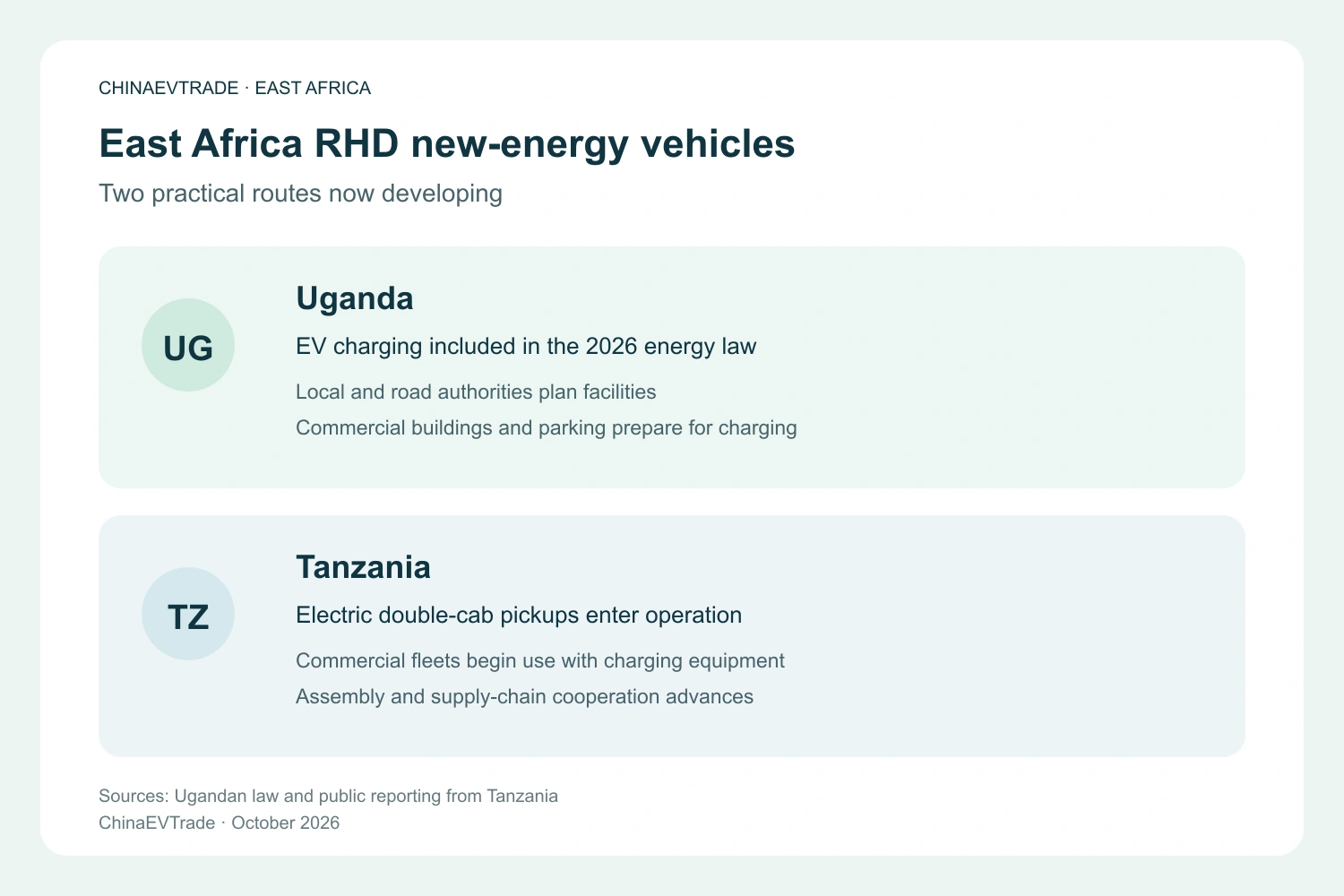
Uganda’s Energy Efficiency and Conservation Act 2026 specifically addresses charging infrastructure for electric vehicles and electric vessels. It provides for the responsible authority to promote charging stations and calls on local governments and road authorities to plan facilities in their jurisdictions. Commercial buildings, parking facilities and public areas are also expected to make provision for EV charging over time.
This does not mean Uganda already has a nationwide charging network. Construction schedules, tariffs and technical standards will depend on later rules and local implementation. Still, putting charging infrastructure into law gives investors, fleets and vehicle suppliers a clearer direction than a general statement of support for e-mobility.
For buyers, charging coverage will not mature overnight. In the near term, fixed routes, business parks, company fleets and operators with their own charging facilities are more practical starting points than trying to replace every use of a fuel vehicle with a battery-electric model.
Tanzania puts electric pickups into practical operation
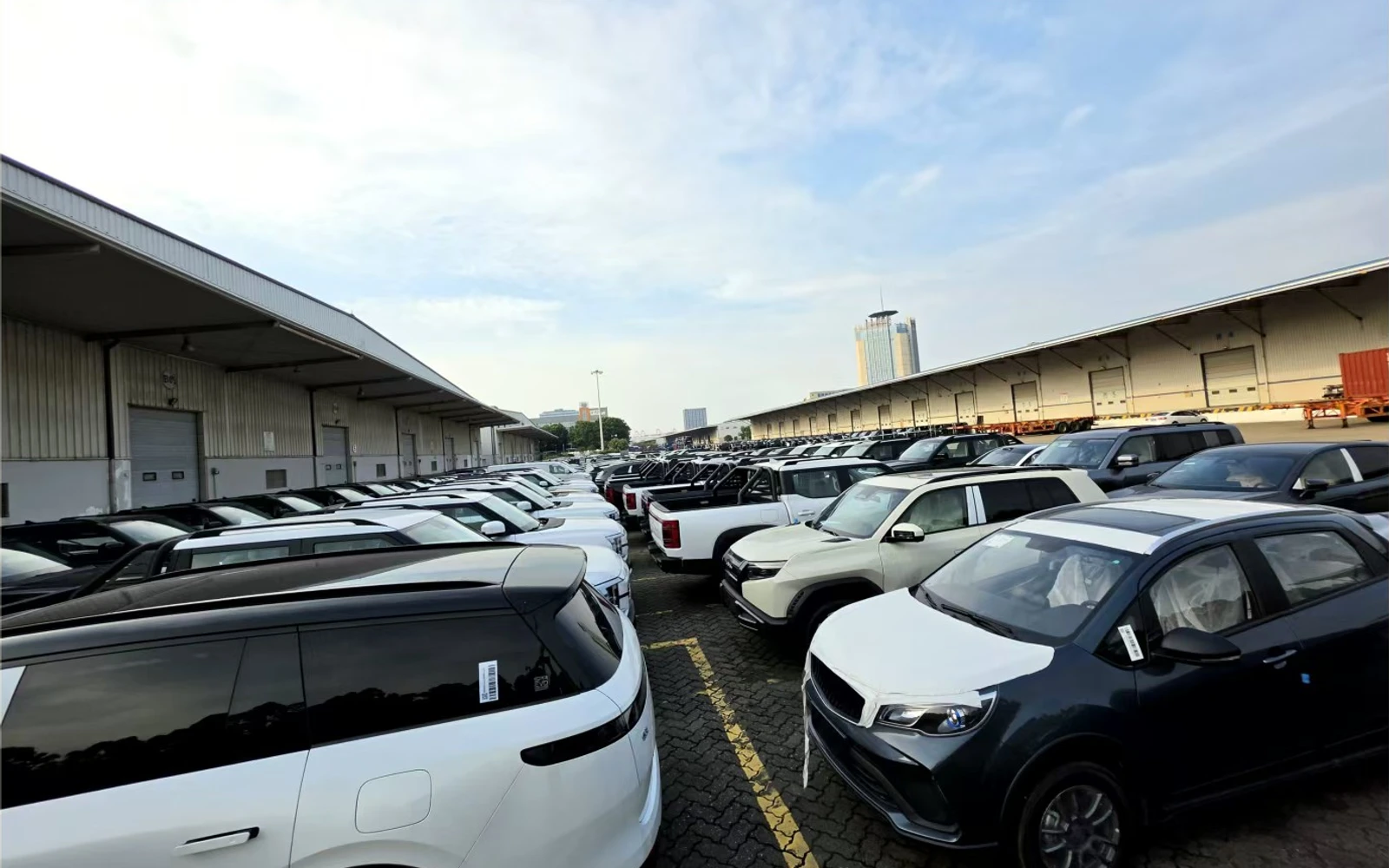
Tanzania’s change is easier to see. In February, local company JTP Auto and Chinese automotive partners introduced electric double-cab pickups for commercial customers and fleets. Charging equipment was installed at the company’s premises, alongside plans to begin developing public fast charging in Dar es Salaam.
In September, cooperation involving Chinese new-energy vehicle technology, parts and possible local assembly in Tanzania received further attention. The plans are still being advanced and should not be described as a large factory already in production. They do show that local businesses are considering maintenance, technical skills and supply chains as well as imported vehicles.
A pickup is a practical entry point. It can serve construction, farms, rentals and company fleets, while giving operators a clear way to compare daily mileage, energy cost and payload. The right choice between battery-electric, plug-in hybrid and fuel power depends on route, load and charging conditions rather than a single headline figure.
Africa is importing more electric vehicles from China
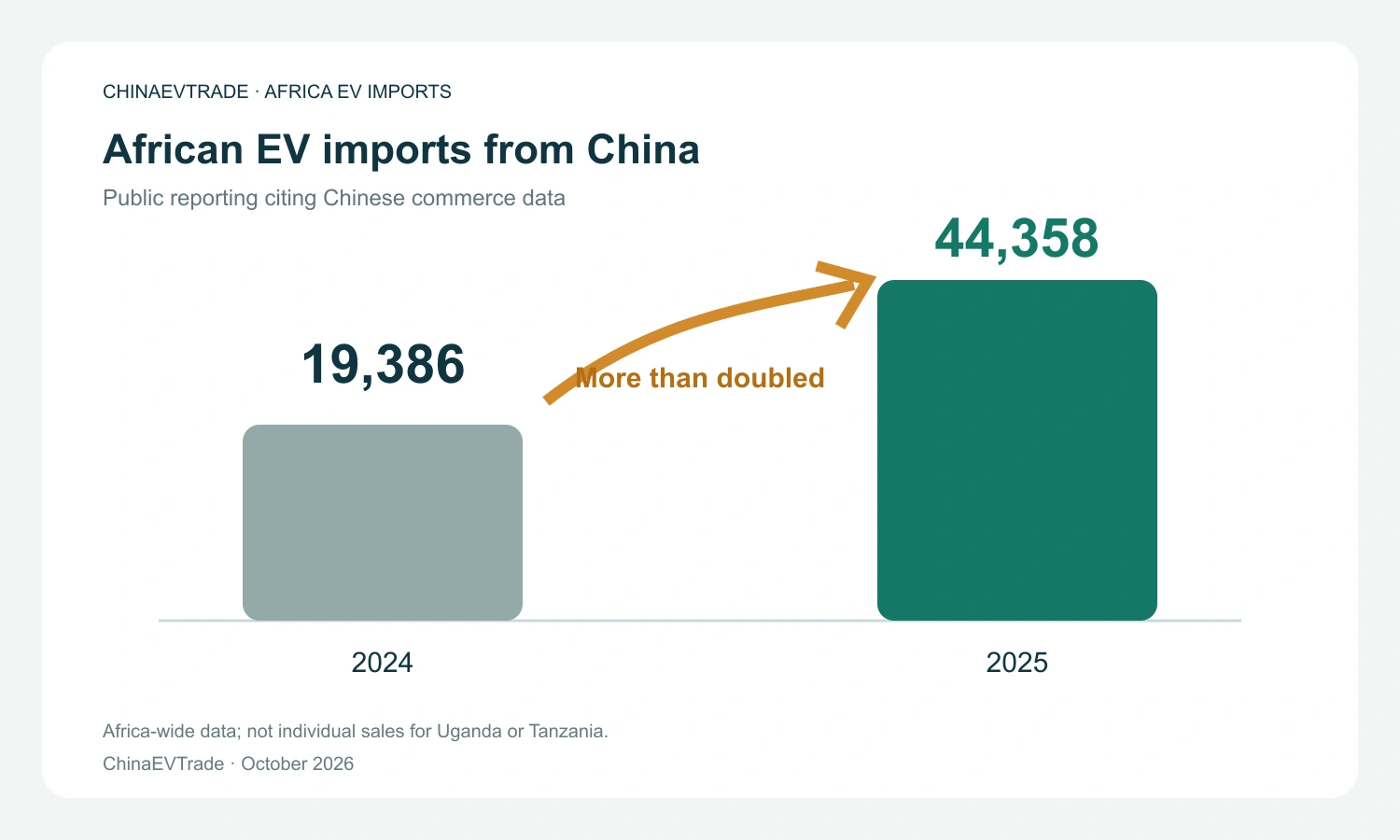
Across Africa, electric vehicle imports from China are increasing. Publicly reported Chinese commerce data indicate 44,358 EVs were imported in 2025, compared with 19,386 in 2024—more than double. Uganda and Tanzania are not presented as the largest markets in that total, and continent-wide figures must not be treated as sales for either country, but the supply-chain change is already expanding buyer choice in East Africa.
China can supply BEVs, PHEVs and fuel vehicles across SUVs, MPVs, pickups and commercial models. For Uganda and Tanzania, the useful question is not how many models exist, but which have genuine factory-built right-hand-drive versions, dependable parts support and specifications suited to local work.
What East African vehicle buyers should check first
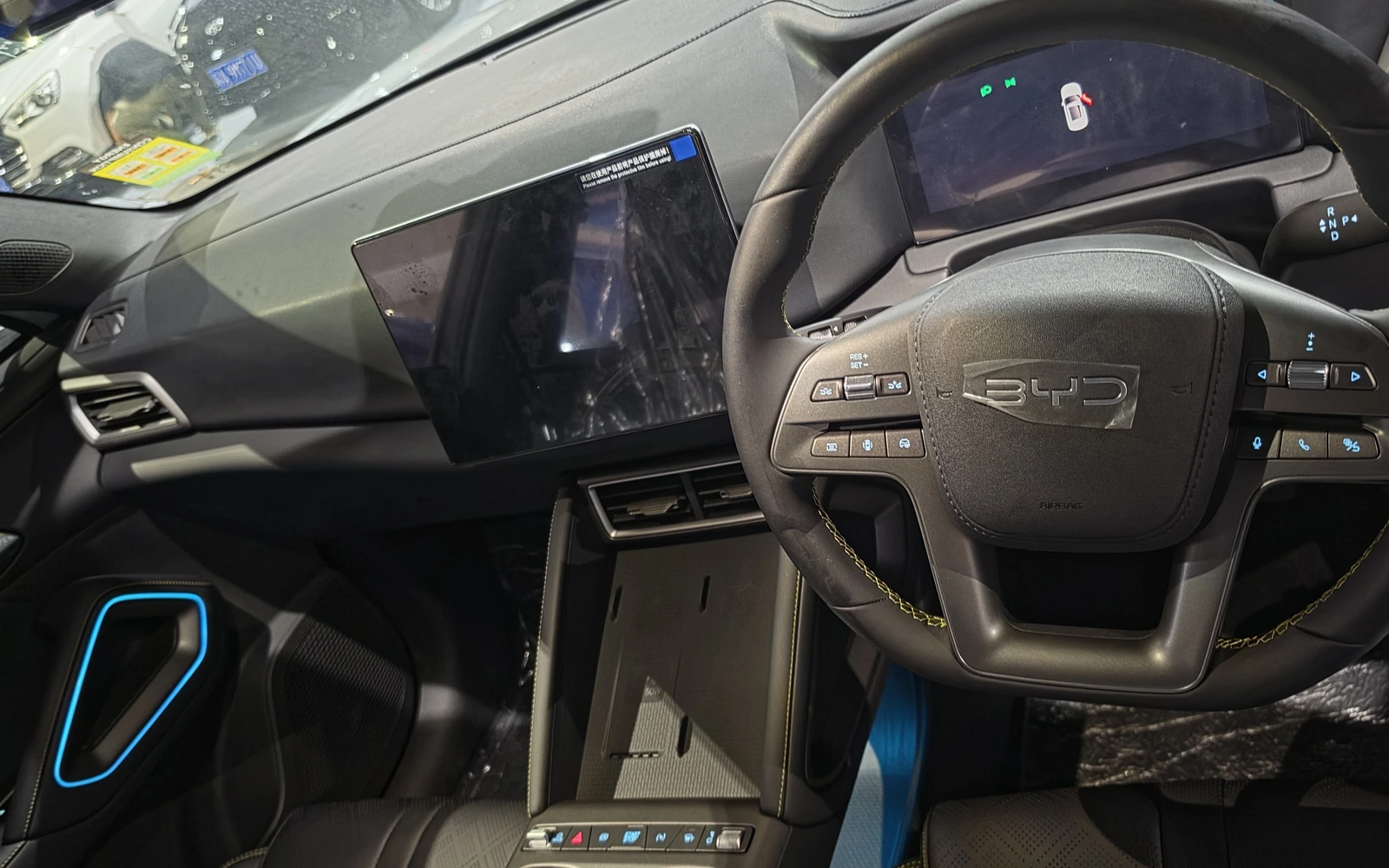
First confirm that a vehicle is factory-built as right-hand drive, then verify model year, trim and charging connector. Urban fixed-route users can focus on BEV operating costs; buyers covering longer distances with uncertain charging should compare plug-in hybrid and fuel options at the same time.
Ground clearance, tyres, payload, air-conditioning performance, battery thermal management and parts availability can matter more than one advertised range number. Import documents, inspection, duties and registration should be checked with the relevant authority or customs partner for the destination. Rules from one East African country should not be applied automatically to another.
The opportunity for an exporter is not to label every Chinese NEV as suitable for Africa. The practical job is to understand where and how a customer will use the vehicle, then match that need with available RHD SUVs, pickups, MPVs or commercial vehicles.
ChinaEVTrade supports overseas buyers with Chinese vehicle selection, version checks and export coordination, with particular attention to new-energy vehicles and right-hand-drive markets. Buyers assessing Uganda or Tanzania can ask the team to check currently available models, powertrains, specifications and shipping arrangements.
This is an original ChinaEVTrade industry review. Policy, project progress and market figures were compiled from the public sources below. Import, duty and registration requirements should be confirmed with the responsible local authorities.
Sources
Uganda Energy Efficiency and Conservation Act 2026
Uganda E-Mobility Outlook Report 2024
Report on Chinese-backed electric double-cab pickups in Tanzania
Tanzania-China cooperation on local new-energy vehicle assembly
Public reporting on African EV imports from China
This article reflects information available at its original publication date. Vehicle specifications and destination requirements should be confirmed for the exact vehicle and shipment.