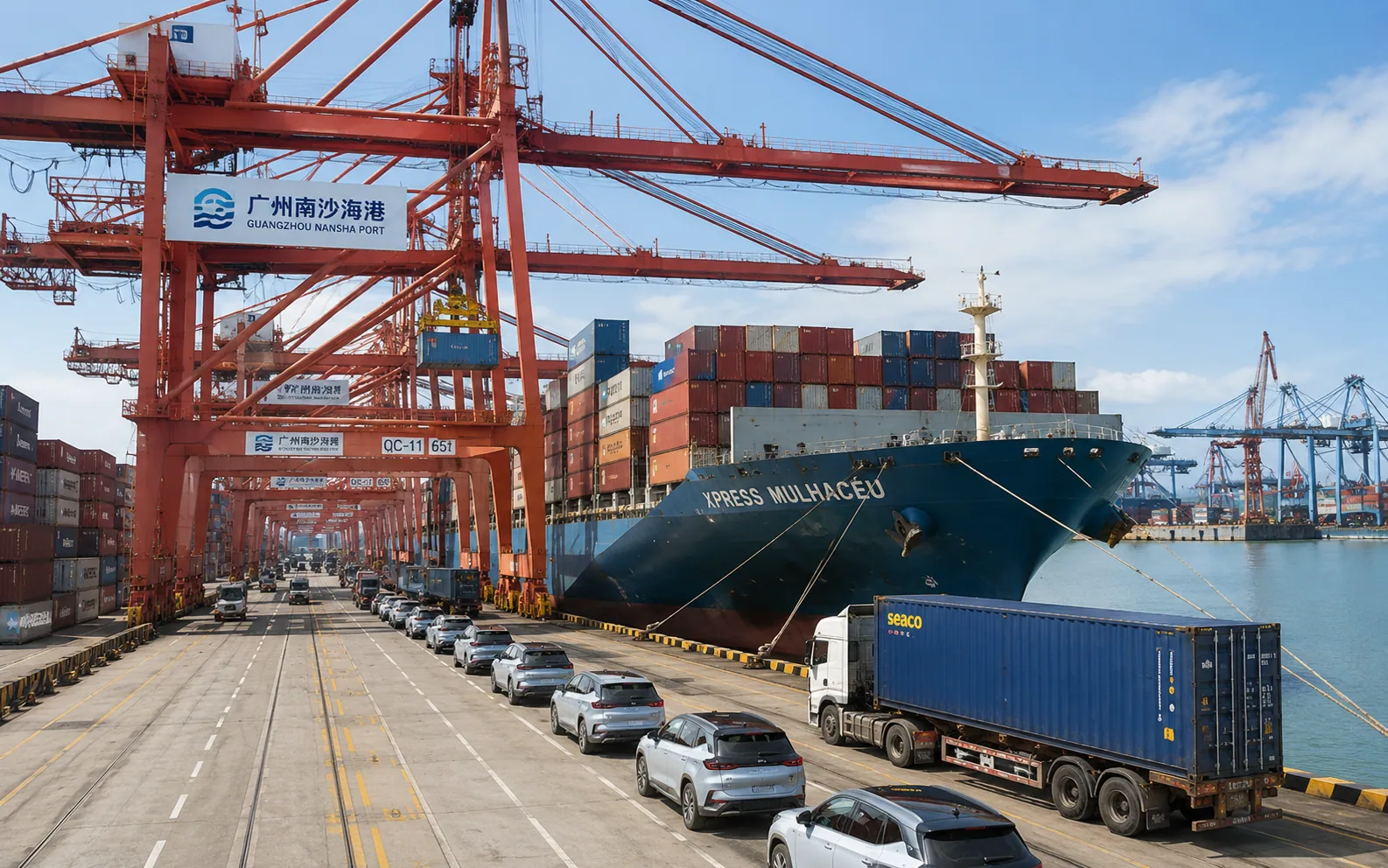
Ocean freight is not a single product. A shipping plan should be built around the exact vehicle, destination port, carrier acceptance rules and delivery schedule. Choosing RoRo or a container only by the lowest quoted freight can create avoidable handling, documentation or destination costs.
RoRo and container shipping compared
| Question | RoRo | Container |
|---|---|---|
| How the vehicle moves | Driven on and off a vehicle vessel | Secured inside a sealed container |
| Typical strength | Efficient vehicle handling on supported routes | Enclosed transport and flexible consolidation |
| Route dependency | Requires a suitable RoRo service and port | Depends on container service and loading capability |
| Vehicle access | Carrier rules usually limit loose cargo | Accessories may be possible if declared and secured |
| Best decision basis | Route, sailing, vehicle acceptance and port process | Vehicle dimensions, loading plan, equipment and destination handling |
Neither method is automatically better. Oversized vehicles, low-clearance cars, non-running units and mixed cargo need individual review. The selected carrier and terminal instructions always take priority over a general rule.
The export journey in six stages
- Confirm the vehicle, destination, consignee and preferred shipping method
- Check route availability and obtain a booking based on accurate dimensions and powertrain
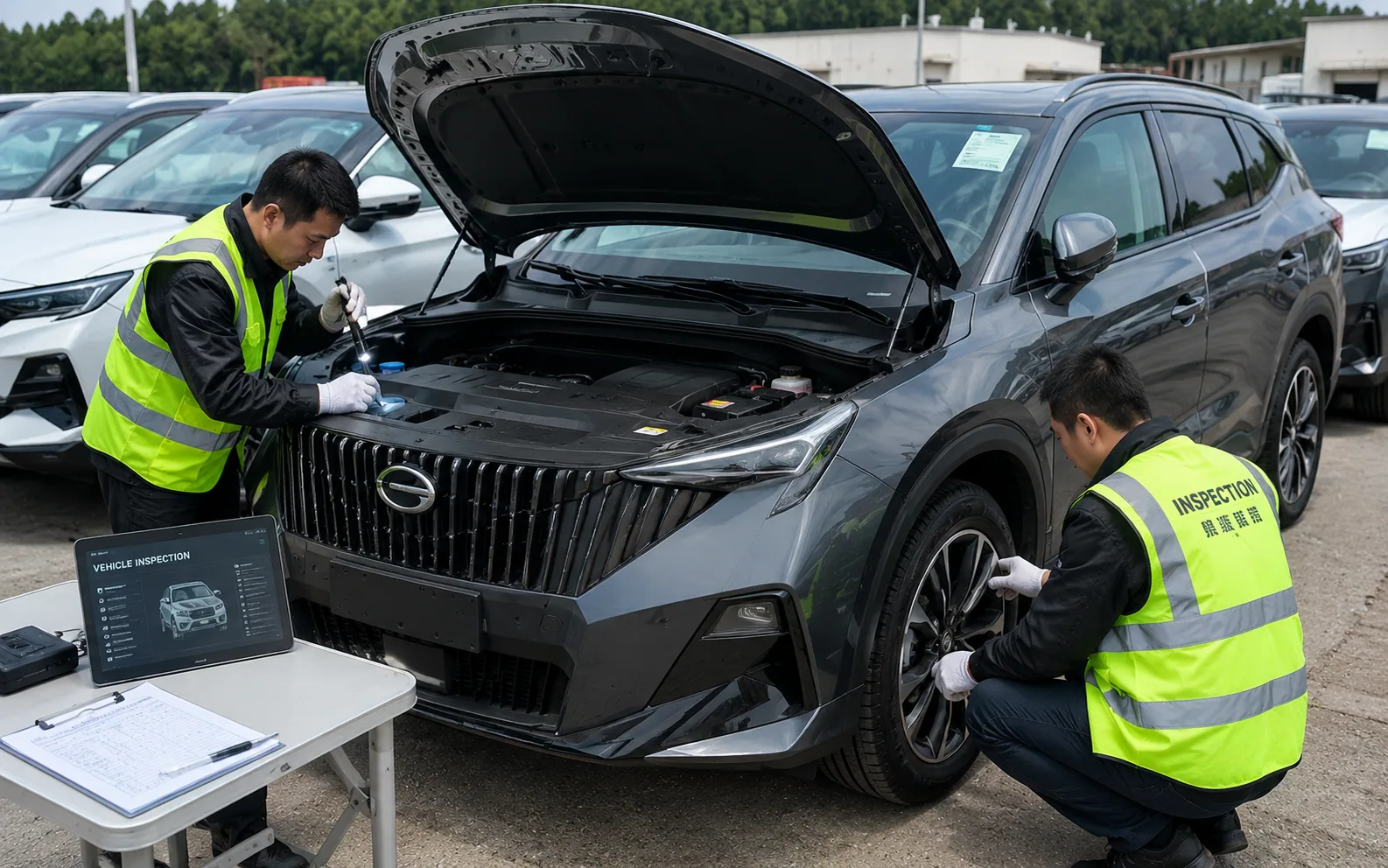
- Move the vehicle to the agreed yard or port after inspection and document preparation
- Complete the required China export and customs procedures
- Load the vehicle under the carrier or container-loading instructions
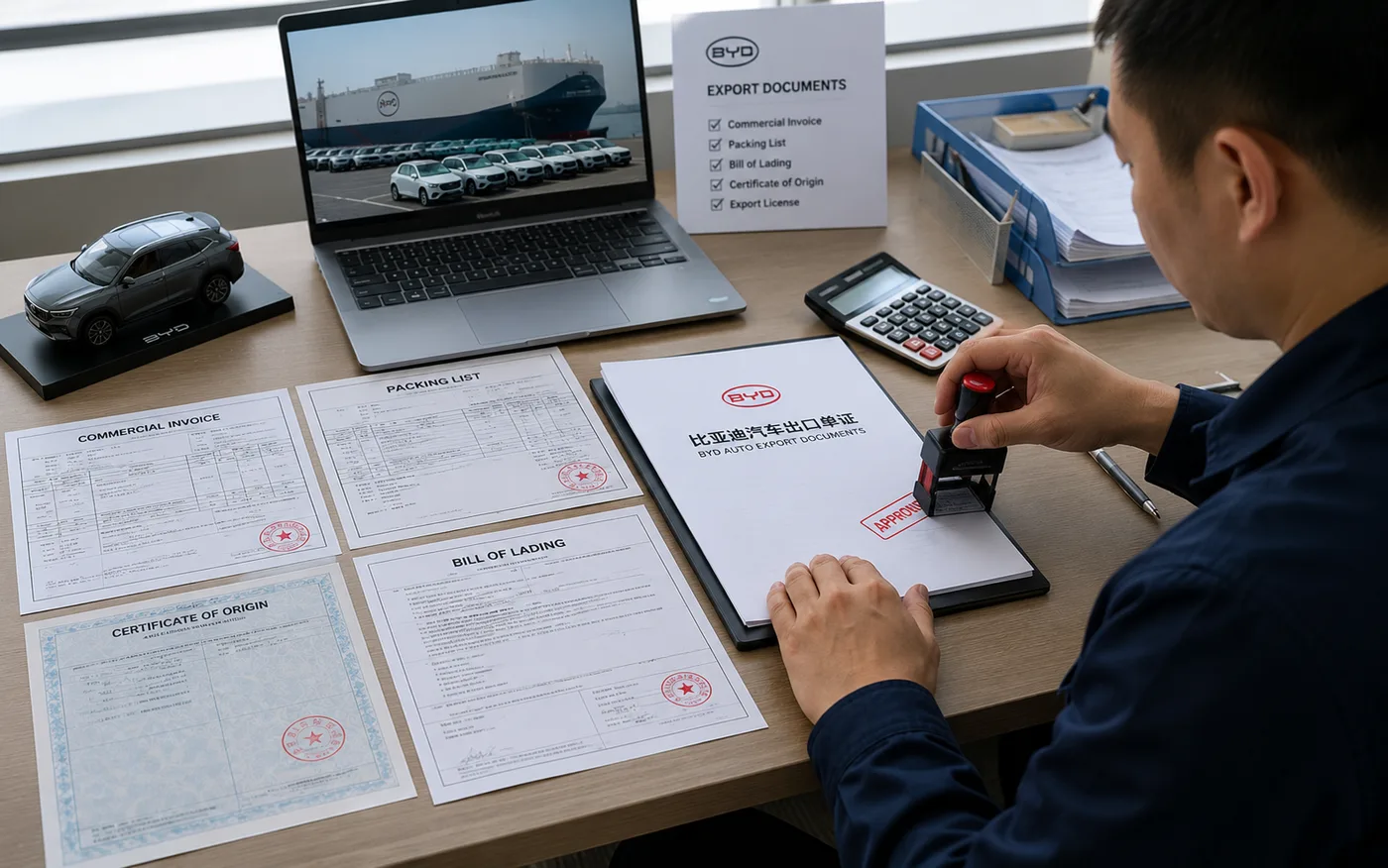
- Issue shipping documents and send the buyer the document set needed for destination clearance
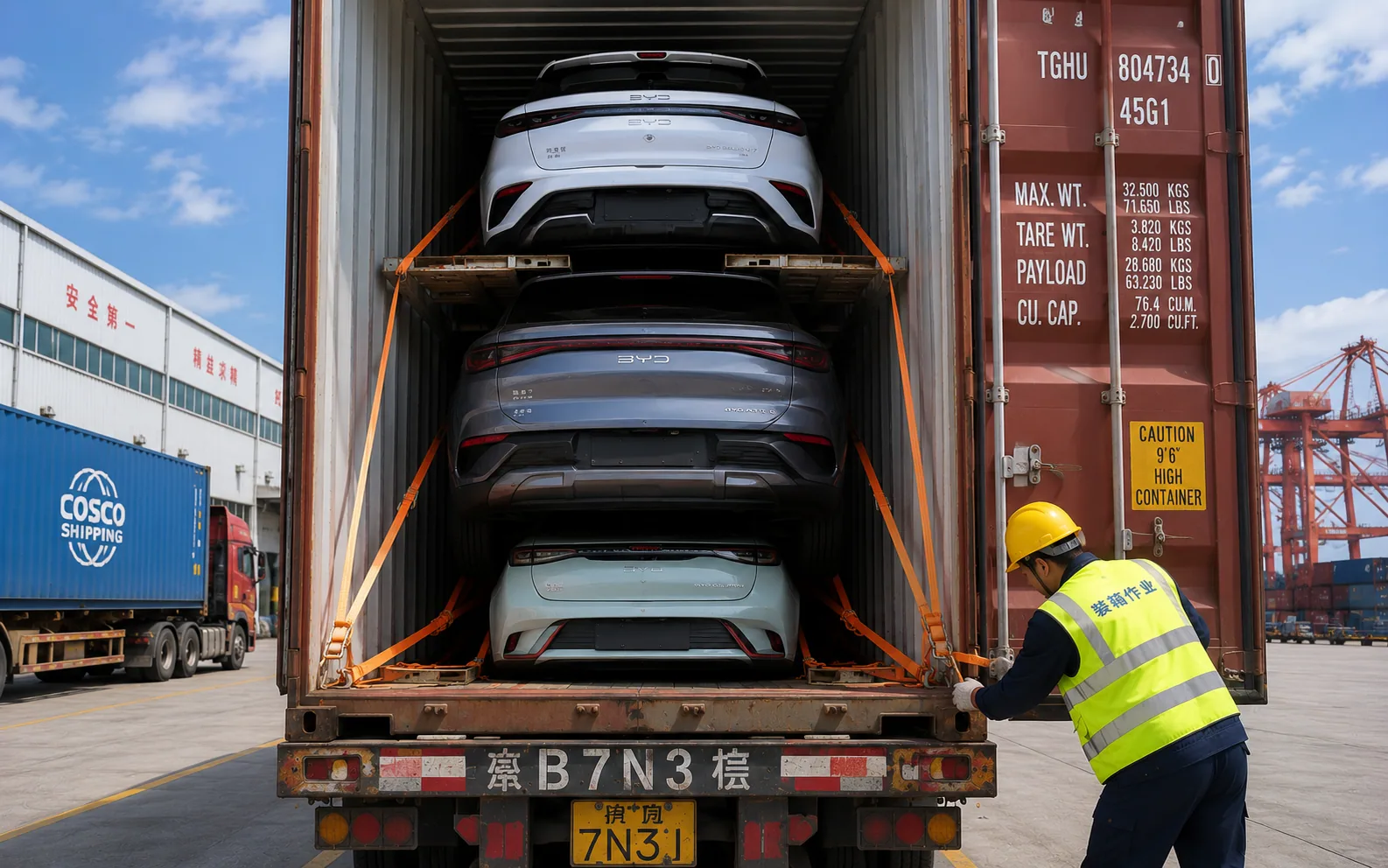
EVs and PHEVs require accurate declarations
The booking must identify the powertrain correctly. Carriers and ports may apply specific rules for battery state of charge, vehicle condition, dangerous-goods documentation or damaged batteries. These requirements can vary by carrier, vessel and route, so they must be confirmed for the actual shipment rather than copied from an earlier booking.
Information needed for a useful freight plan
- Vehicle make, model, quantity and VIN status
- BEV, PHEV, hybrid or internal-combustion powertrain
- Overall dimensions, weight and whether the vehicle runs and steers
- Origin location and destination port
- Consignee details and the destination country's document requirements
- Any accessories, spare parts or non-standard cargo intended to travel with the vehicle
A freight quotation is time-sensitive. Sailing schedules, port charges, space and carrier rules change, so buyers should reconfirm the complete shipping plan before payment and booking.
This article reflects information available at its original publication date. Vehicle specifications and destination requirements should be confirmed for the exact vehicle and shipment.