Buyers in Nairobi, Kampala and Dar es Salaam often ask for the vehicle price first. Yet orders are more often delayed by an unconfirmed market version, charging setup, import document or landed cost than by the quoted vehicle price itself.
Kenya, Uganda and Tanzania all use right-hand-drive vehicles, but they are not one import market. A steering wheel on the right does not automatically make a Chinese EV ready for every one of these countries.
1. RHD is the first check; the market version determines usability
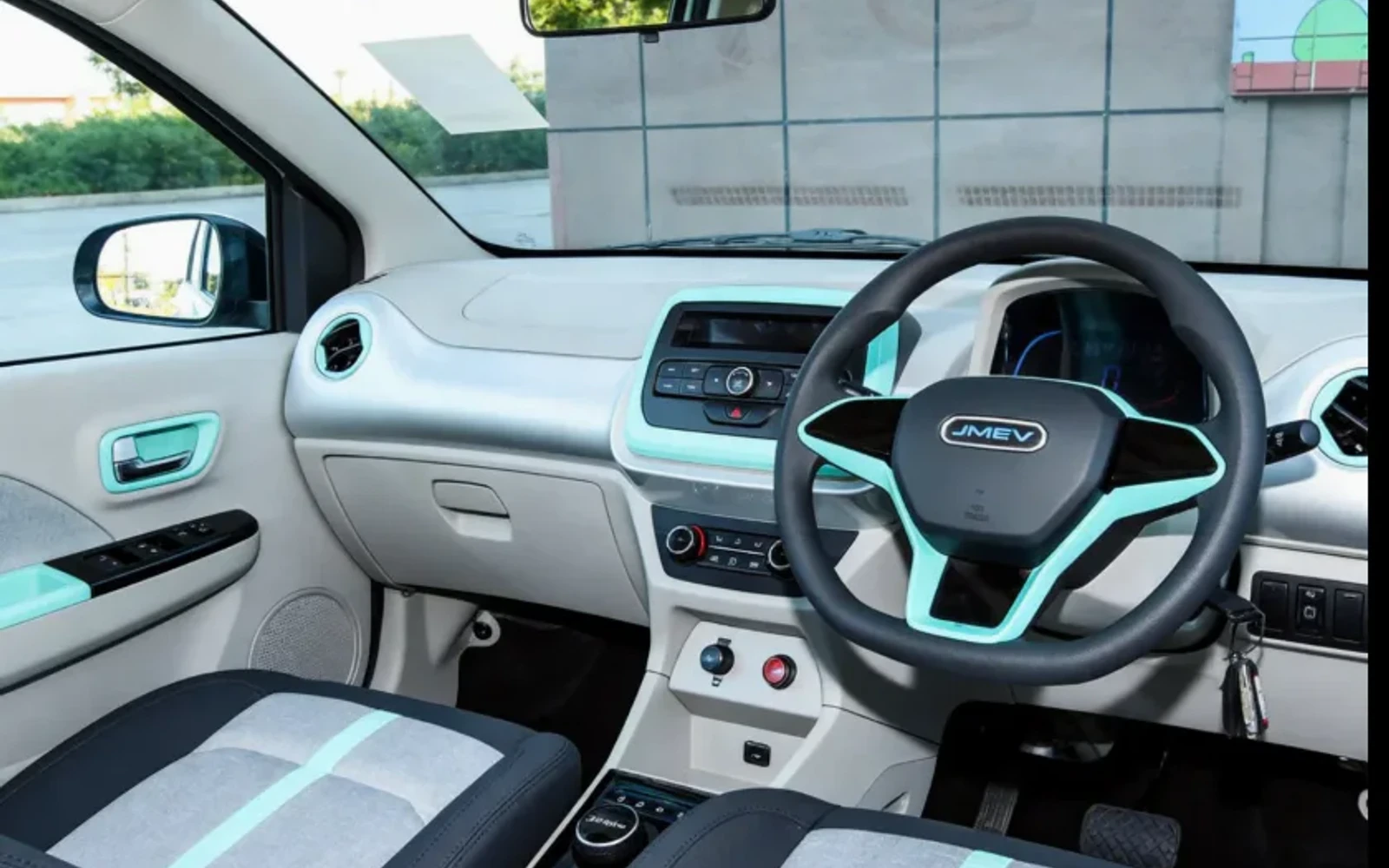
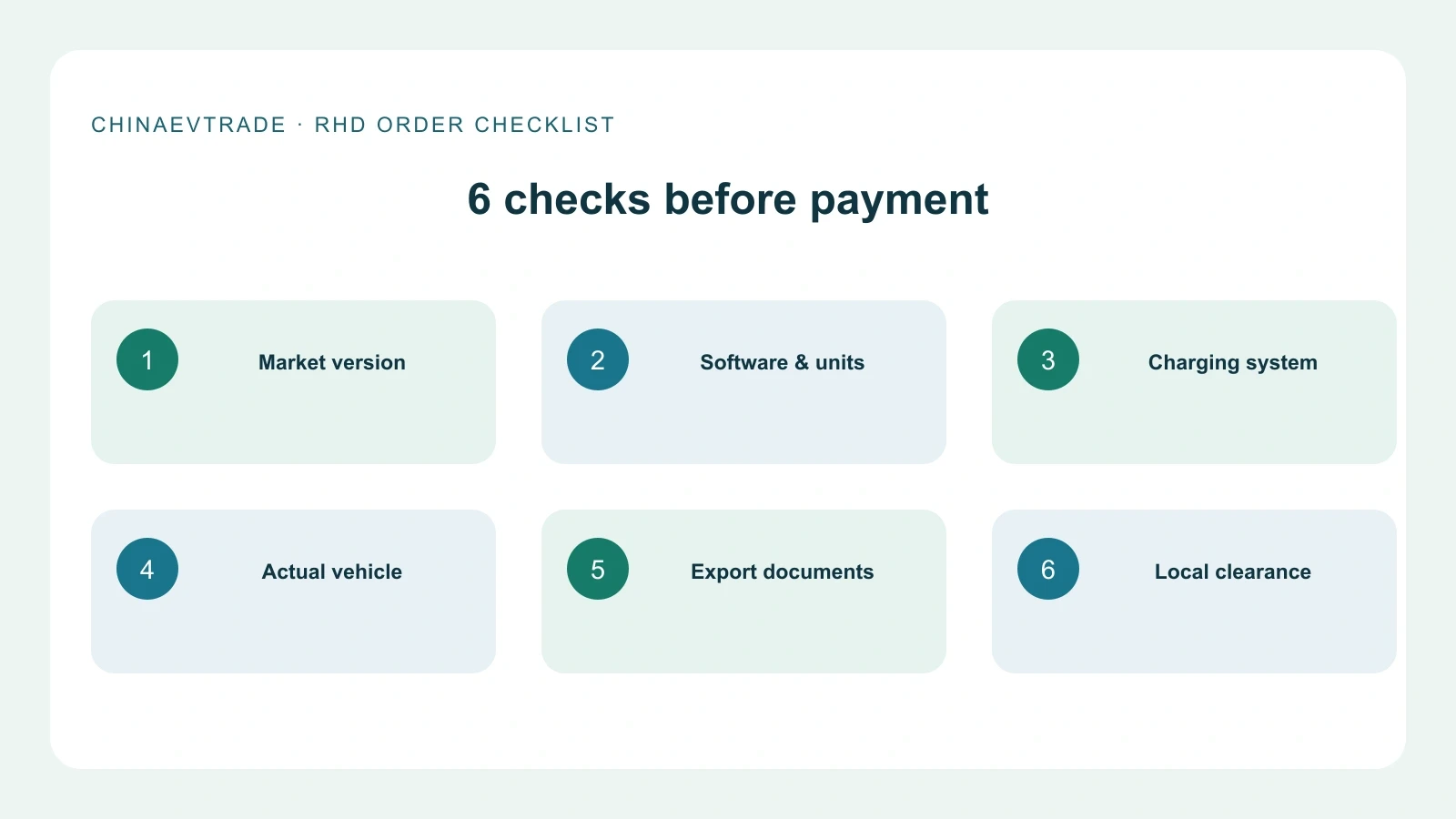
Confirm the factory market version, model year, VIN, instrument units, interface language, connected services, charging port and supplied charging equipment before payment.
A cockpit photo proves steering position only. These details should be written into the order confirmation for the exact vehicle.
2. Three RHD countries still require three separate import checks
Kenya publishes its own vehicle import requirements, while Uganda and Tanzania operate separate inspection and conformity systems. Rules copied from one country should not be assumed to apply in another.
New vehicles must also be distinguished from used vehicles. Ask a licensed local clearing agent to confirm the current route using the model, powertrain, VIN, invoice and origin documents.
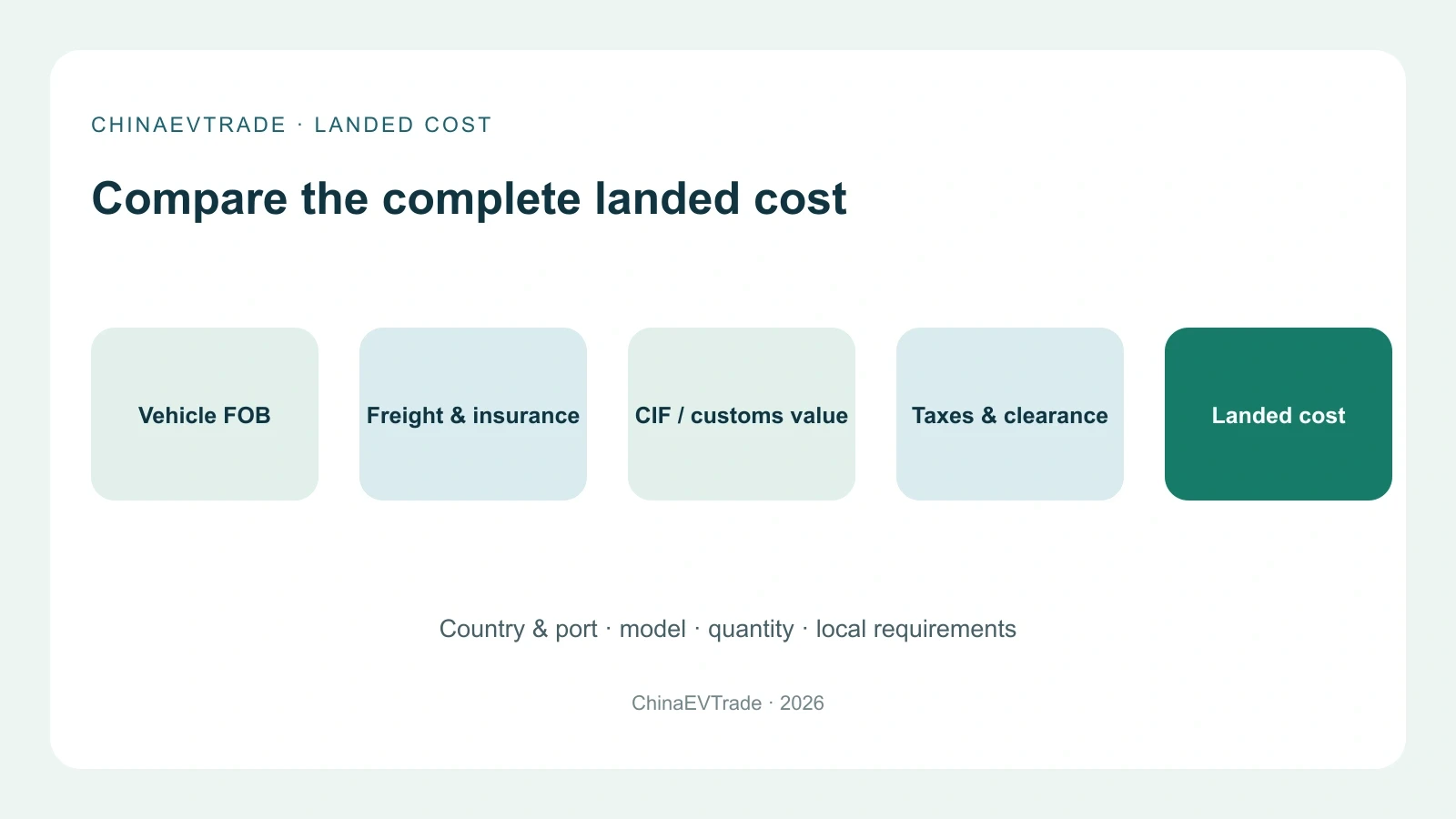
3. A low FOB price does not guarantee a low landed cost
Compare FOB, inland handling, ocean freight, insurance, destination charges and local taxes. Where CIF or customs value is used, higher freight may also affect the tax base.
Vehicle size and order quantity change loading efficiency. A compact EV, seven-seat MPV and large PHEV SUV should therefore be compared on a delivered basis, not by vehicle price alone.
4. Choose EV or PHEV around the real route
A pure EV can work well for predictable urban use with reliable home, depot or workplace charging. For frequent intercity travel or uncertain charging, a PHEV may be more practical.
Confirm the charging connector, AC capability, portable charger and local electrical conditions before shipment. An adapter is not a universal compatibility solution.
5. Ask for evidence tied to the actual order
Remote buyers should request exterior images, the RHD cockpit, VIN or identification plate, powered instrument display, charging port, keys, charging equipment and tyre information. Pre-shipment and loading checks help catch version differences before arrival.
6. Provide four facts to receive a useful quotation
State the destination country and port, intended model or use, quantity, and EV or PHEV preference. Share any requirement already given by the local clearing agent.
ChinaEVTrade supplies new Chinese RHD EVs, PHEVs and other vehicles and can help verify the vehicle version, actual-unit information, export documents and shipping plan. Final taxes and eligibility remain subject to the destination-country authorities and the buyer’s local agent.
Official references
Kenya Revenue Authority: motor vehicle import procedures
Uganda National Bureau of Standards: imports inspection and clearance
Tanzania Bureau of Standards: pre-shipment verification of conformity
This article reflects information available at its original publication date. Vehicle specifications and destination requirements should be confirmed for the exact vehicle and shipment.