Buying a vehicle across borders requires more than comparing model and freight quotations. The buyer also needs to know who is signing the contract, who will receive the money, which vehicle will be supplied and how each stage will be evidenced. Good due diligence reduces avoidable risk before payment, not after a problem appears.
Verify the legal counterparty
- Request the company's registered legal name and business registration details
- Check that the company named on the contract and invoice is consistent
- Confirm why any trading name, website brand or email domain differs from the legal entity
- Use an independently obtained contact method to confirm important payment changes
Check the payment trail
The bank beneficiary should match the agreed seller or have a documented commercial reason for being different. A last-minute request to pay a personal account or an unrelated company deserves additional verification. Payment stages, refund conditions, inspection rights and document-release terms should be written into the agreement.
Verify the actual vehicle, not only a catalogue
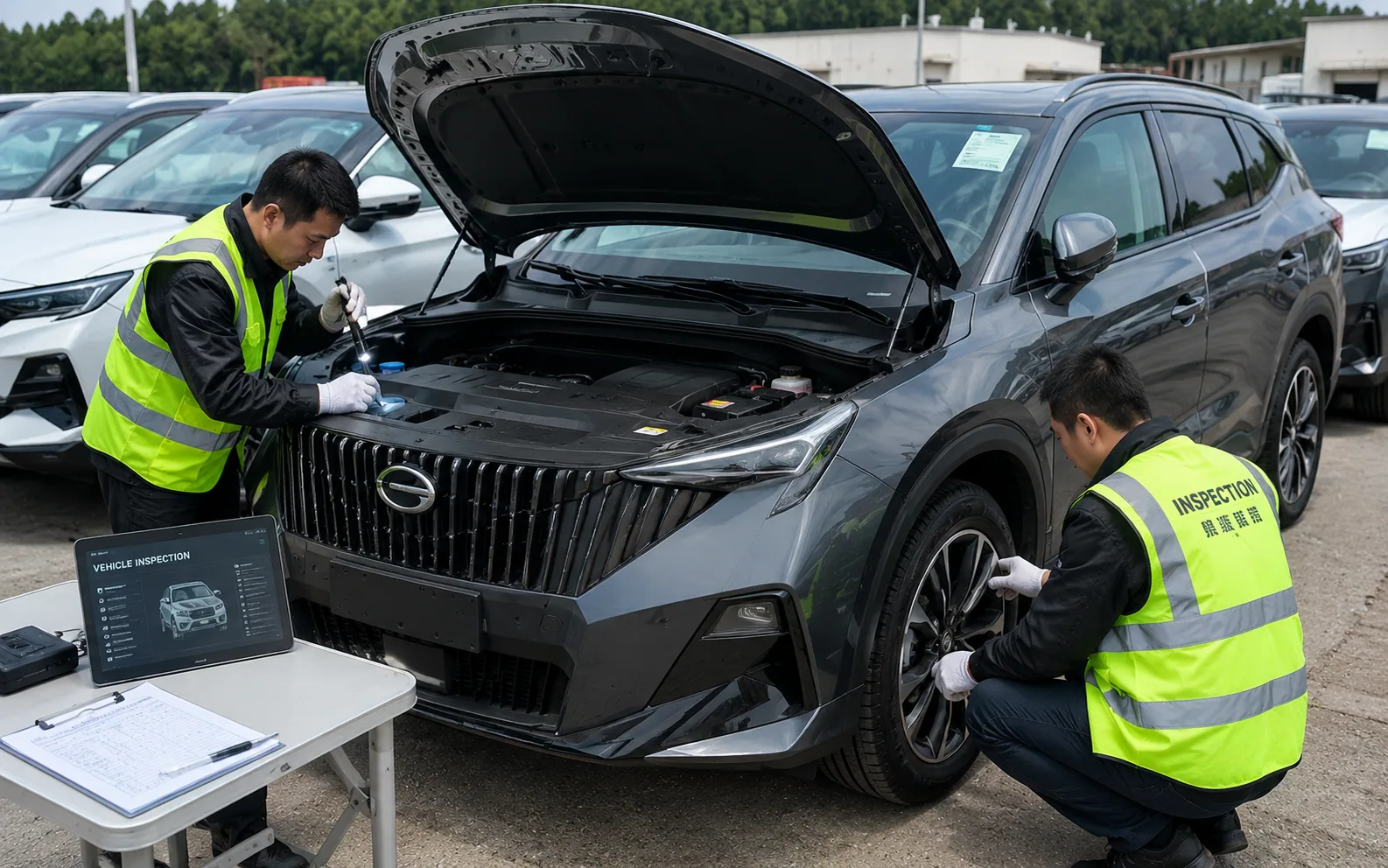
- Ask when a specific VIN will be assigned
- Request current photographs or video that connect the VIN to the vehicle
- Confirm model code, trim, powertrain, steering side, colour and included accessories
- Agree how new or near-new condition and odometer reading will be recorded
- Use independent or buyer-approved inspection when the order value or risk justifies it
Test whether the export process is specific
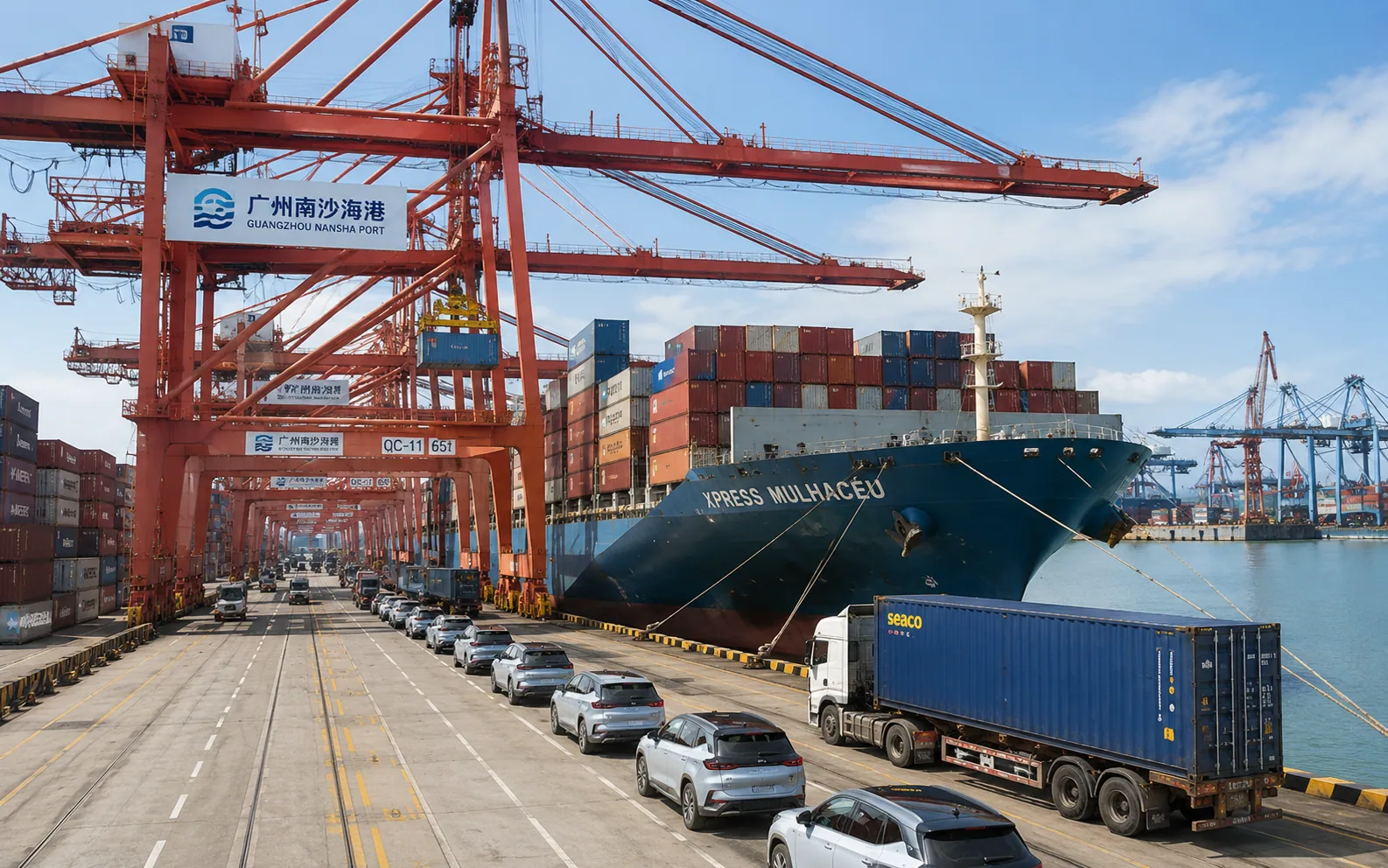
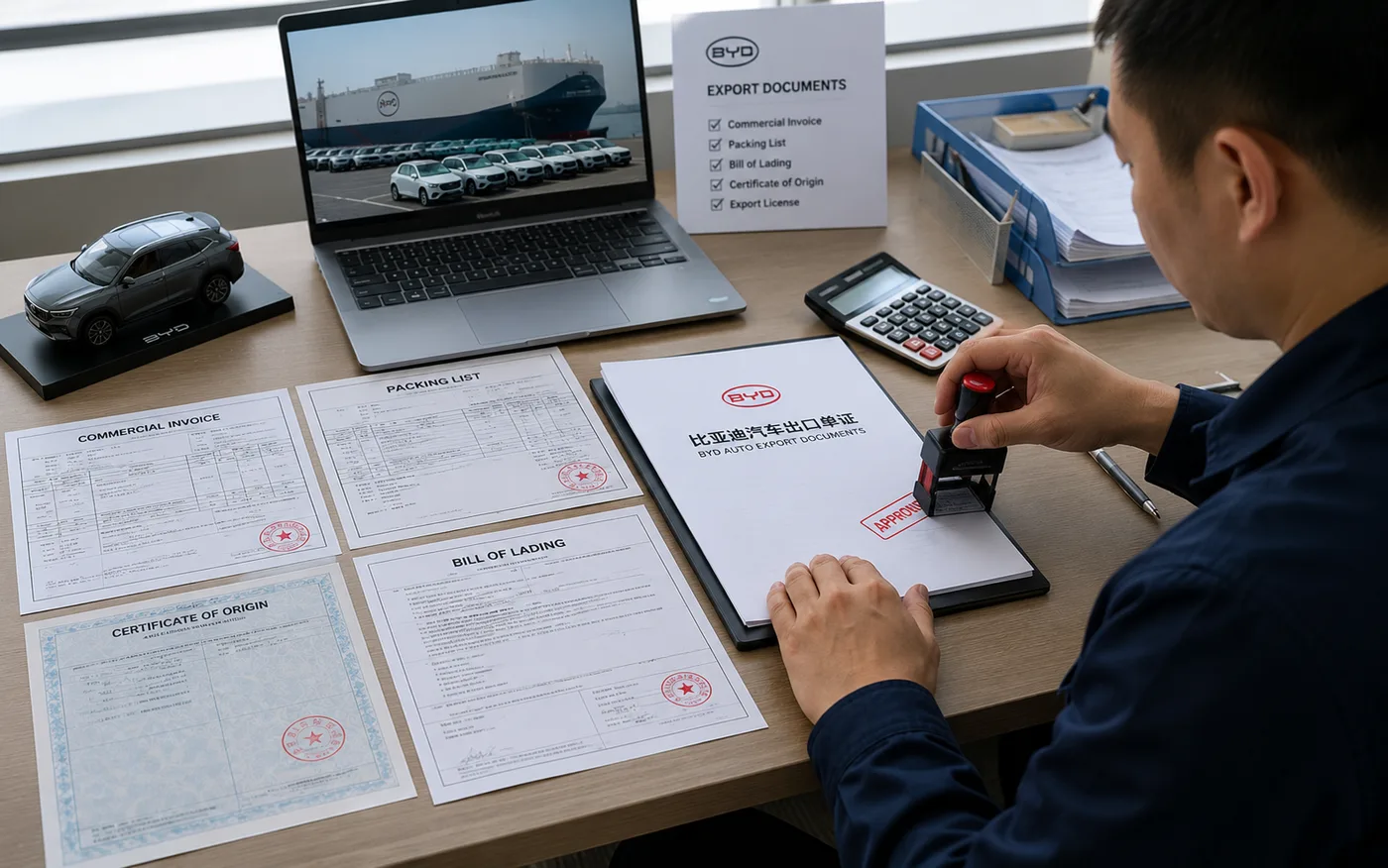
A credible proposal should explain the likely origin location, inspection point, export-document process, shipping method, destination port and responsibility split. Exact sailing dates may change, but the supplier should be able to describe the sequence and the evidence the buyer will receive at each stage.
Warning signs that require a pause
- Pressure to pay before the vehicle and contract details are clear
- Bank details that change without a verified explanation
- Refusal to provide VIN-linked evidence or allow an agreed inspection
- Claims that every model can enter every country without checking local rules
- Copied photographs presented as proof of stock
- Promises of guaranteed delivery dates that ignore carrier and customs variables
No checklist can eliminate every commercial risk. For significant orders, buyers should use their own legal, banking, inspection and customs advisers. The purpose of verification is to create a consistent evidence trail from quotation to vehicle release.
This article reflects information available at its original publication date. Vehicle specifications and destination requirements should be confirmed for the exact vehicle and shipment.