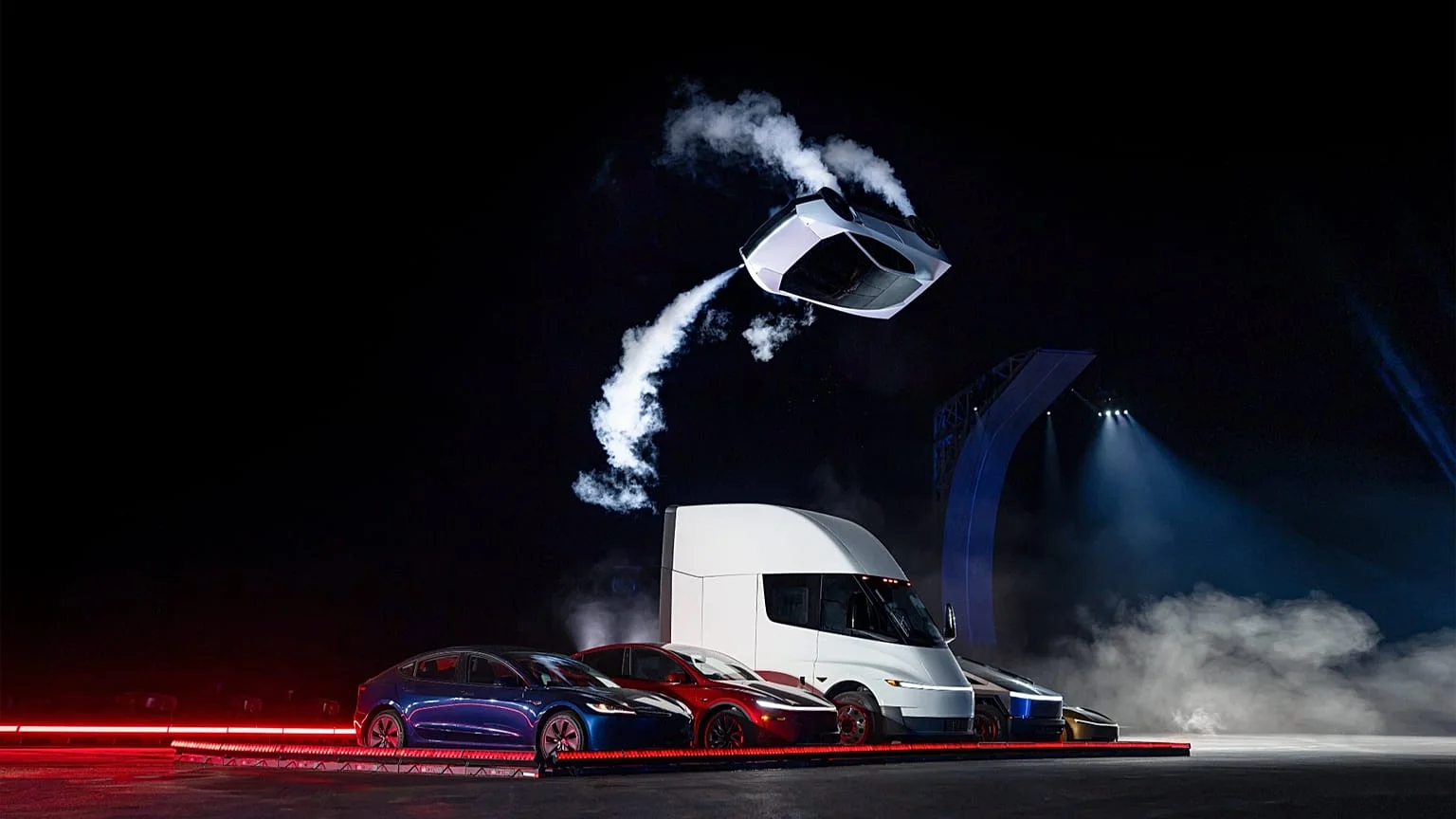
On October 15, the new Tesla Roadster demonstration made a vehicle launch look like a scene from science fiction. The car travelled along a curved ramp, lifted off, rotated and returned to the ground. That image is likely to stay with people longer than another larger screen or a few tenths saved in acceleration.
There is, however, an important qualification. Tesla lists the Rocket version, which offers the relevant aerial capabilities, as a special variant not approved for public road use. A successful demonstration does not mean ordinary motorists can already fly over a traffic jam.
The question it raises is worth taking seriously: will buyers pay for capabilities beyond their expectations, or keep choosing vehicles that do everyday driving better?
Not immediately useful does not mean without value
Such demonstrations tend to attract two reactions. Some viewers are so impressed that they declare conventional cars obsolete. Others ask, “Would that help with the grocery run?”
Both judgements come too soon.
The value of frontier research is not necessarily to make every family car airborne. The more interesting question is whether the control systems, actuators and system coordination developed under extreme conditions can eventually improve safety, stability or efficiency on the road. That transfer is not guaranteed; future products and testing must demonstrate it. But an idea is not worthless simply because it has not reached an ordinary garage yet.
A manufacturer focused only on existing orders may keep refining the same product while missing the opportunity to define the next one. The appeal of Tesla’s demonstration is that it moves the conversation from how much better a car is than its predecessor to what a car might do at all.
Solving everyday problems is not low-end competition
Equally, investment by Chinese manufacturers in charging, energy consumption, space and ride comfort should not be dismissed as the same old competition on price and equipment.
A seat that makes a long journey easier, a car that remains dependable in cold weather, or a charging stop shortened by half an hour may look less spectacular than an aerial rotation. Yet those improvements can matter in an owner’s life every week.
The difficult part of practical technology is making improvements dependable and affordable enough for more people. A demonstration can be staged around selected weather, surfaces and operating conditions. A consumer vehicle has to cope with different roads, maintenance habits and years of use.
Practicality must not become an excuse to stop innovating, either. If an upgrade only adds a larger screen and more menus while making operation harder, it adds equipment rather than necessarily improving the experience. Useful technology should remove hassle, not require owners to spend longer learning their cars.
Chinese vehicles are not following just one technical path
Describing the choice as “Tesla builds the future while Chinese manufacturers build cheap cars” is inaccurate and misses the more interesting changes.
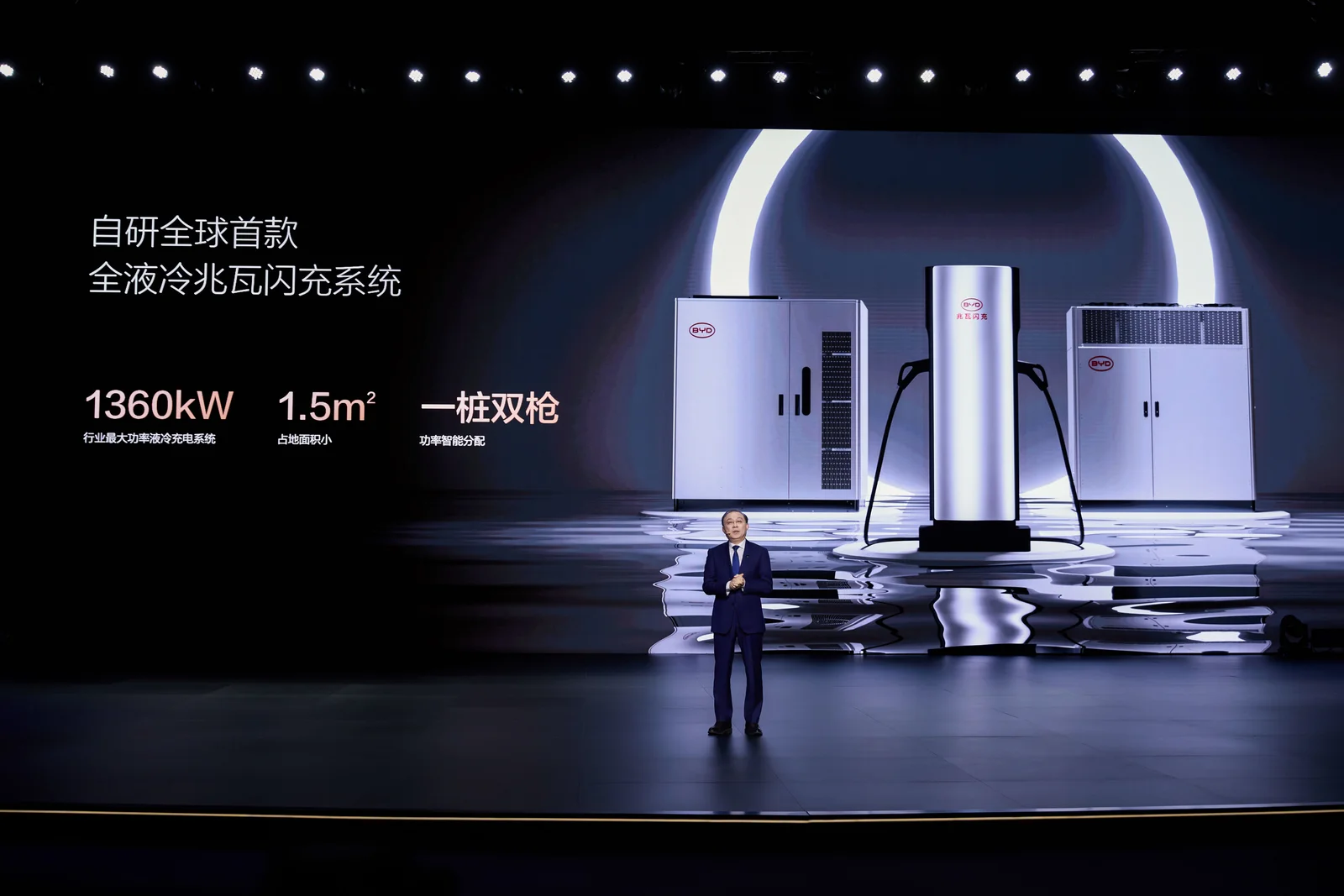
When BYD introduced its Super e-Platform in 2025, it announced peak charging power of 1,000 kW and the ability to add 400 km of range in five minutes under specified conditions. Those are manufacturer figures. Actual results depend on the vehicle, charging equipment, temperature and battery condition; they do not apply to every BYD at every charger.
This illustrates that technology addressing everyday needs can involve radical engineering. The aim here is not to lift a car off the ground, but to stop charging from dictating an owner’s entire itinerary.
Meanwhile, Aridge is also exploring modular flying vehicles. Its product is not the same as the Roadster and does not support a simple verdict on who leads overall. It does show that Chinese companies have not abandoned exploration of future mobility.
The real distinction does not divide neatly by country or brand. It concerns how far a company intends to develop a technology and how it will make the benefits affordable.
Buyers bring the discussion back to their own lives
For an enthusiast, a demonstration that challenges familiar limits can provide a lasting talking point. A purchasing decision brings much more specific questions.
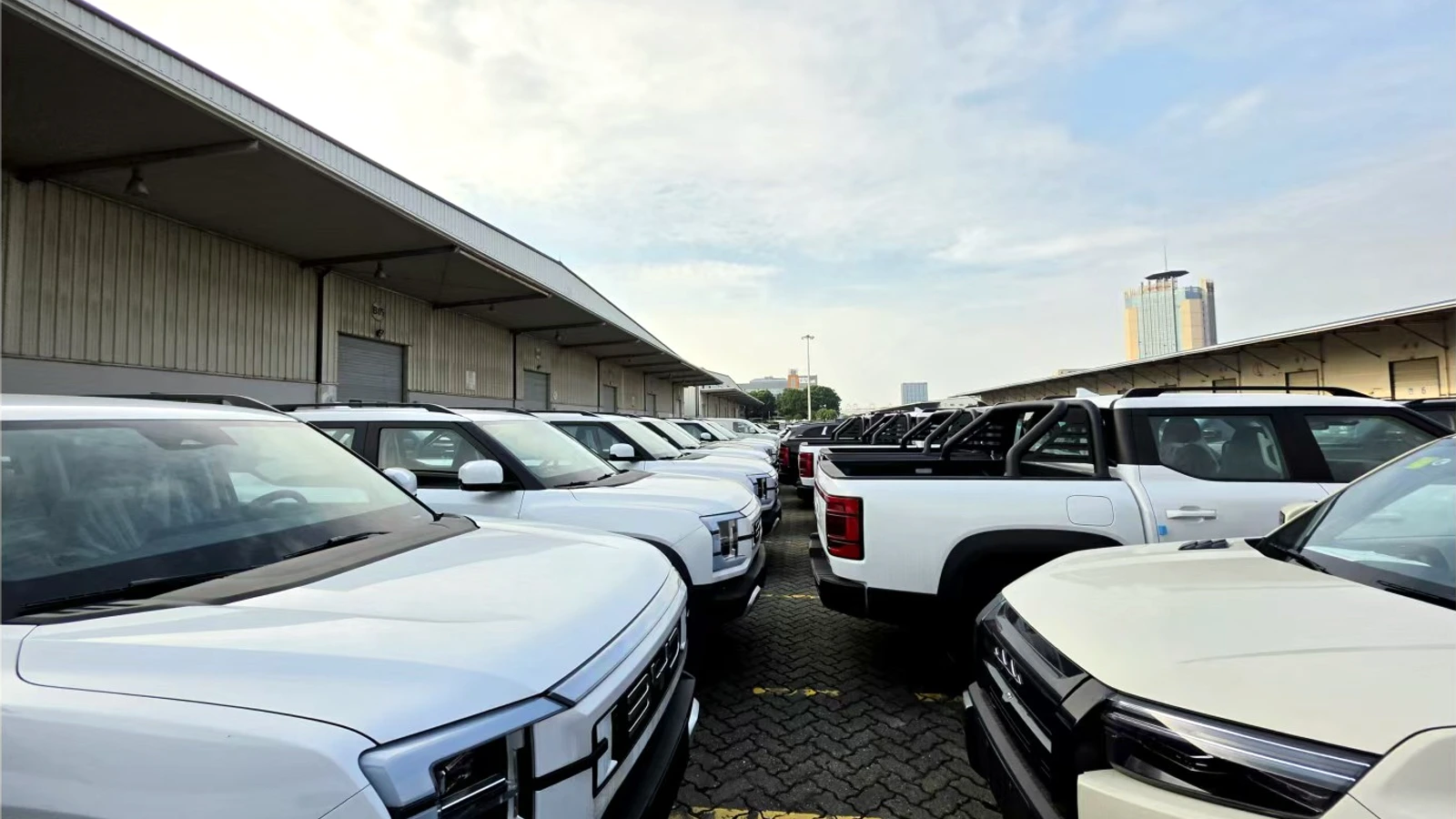
Can the vehicle be used locally? Does charging infrastructure match it? How will repairs and parts be handled, and what are the real energy and operating costs? Overseas sourcing also requires checking steering position, exact version, connectors and destination-market requirements.
An impressive launch capability needs a different valuation if it cannot be used in the destination market or relies on infrastructure that does not exist there. That is not a rejection of technology; it is a condition of turning technology into a product.
For broad purchasing adoption in the short to medium term, we therefore favour products that can be delivered dependably, suit local conditions and have understandable operating costs. This does not mean buyers dislike innovation. It means most purchasing decisions need more than a moment of amazement.
For long-term competitiveness, however, practicality and value alone are not enough. Mature products gradually converge. Continued exploration can create capabilities that are harder to replicate in the next round of competition.
The strongest future contender may be neither the highest-flying car nor the cheapest one, but the company that turns advanced technology into dependable products with tangible benefits.
Tesla’s demonstration deserves applause. The harder test comes not in the air, but after delivery.
ChinaEVTrade’s choice: matching buyers with suitable Chinese EVs
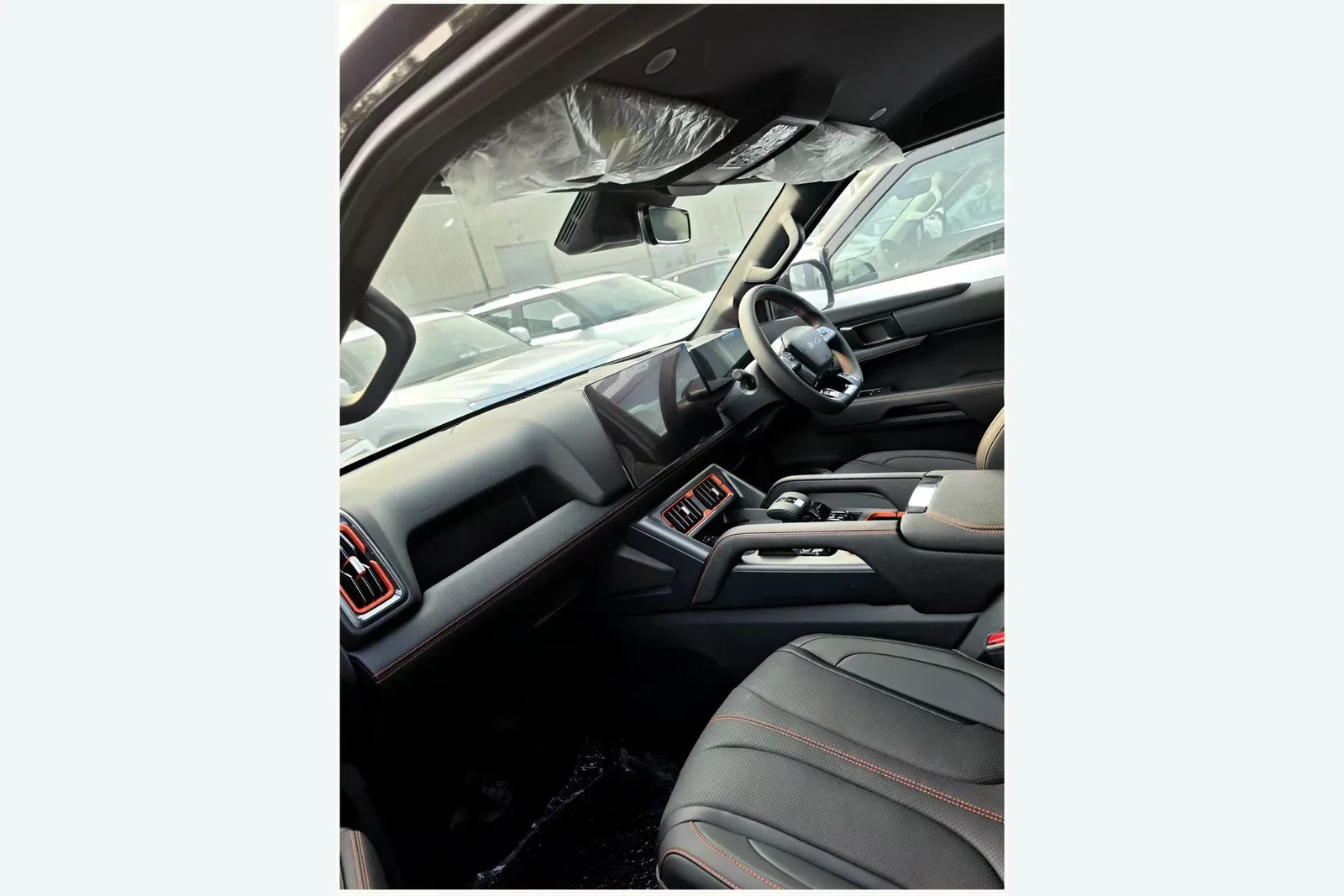
We respect those exploring ahead, and believe automotive technology ultimately has to serve the people using it.
As a specialist wholesaler of Chinese new-energy vehicles for overseas buyers, ChinaEVTrade focuses on a concrete task: matching practical, competitively priced Chinese EVs to customers’ budgets, local operating conditions and purchasing plans. Battery-electric and plug-in hybrid vehicles are central to our selection, with particular attention to right-hand-drive models and specifications.
For us, value is not simply a lower quotation. It also means suitability for local use, clear specifications and workable inspection and export arrangements. Future technology matters, and so do the purchasing needs customers have today.
Dealers sourcing vehicles for local sale and buyers with specific requirements can browse the ChinaEVTrade website and discuss their target market, budget and vehicle needs with our team.
This is an original industry commentary by ChinaEVTrade. The judgements expressed represent ChinaEVTrade’s views only, not those of the vehicle brands mentioned.
Visit ChinaEVTrade · Browse vehicles and discuss sourcing
Factual references: Tesla’s Roadster information, BYD’s Super e-Platform announcement and Aridge’s product information. Technical figures and applicable conditions remain subject to each manufacturer’s documentation.
Tesla: Roadster versions and use restrictions
BYD: Super e-Platform and megawatt flash charging
Aridge: modular flying vehicle product information
This article reflects information available at its original publication date. Vehicle specifications and destination requirements should be confirmed for the exact vehicle and shipment.