Electric vehicles, plug-in hybrids and conventional hybrids can all reduce fuel use, but they solve different ownership problems. An importer should begin with local driving conditions and customer behaviour, then shortlist models. Starting with a fashionable model and trying to justify it afterwards is the riskier approach.
Three powertrains, three operating patterns
| Powertrain | How it is used | Where it often fits |
|---|---|---|
| BEV | Battery-only driving; requires external charging | Predictable routes with dependable home, depot or public charging |
| PHEV | Battery driving plus an engine for longer trips | Mixed urban and long-distance use where regular charging is available |
| Hybrid | Engine and battery work together; no external charging | Markets wanting lower fuel use without depending on charging infrastructure |
Real performance depends on the exact vehicle and how it is driven. A PHEV that is never charged may not deliver the ownership benefits a buyer expects. A BEV with a large advertised range may still be unsuitable if its charging connector, software or service support does not fit the destination.
Questions to answer before selecting models
- Can customers charge reliably at home, work or a fleet depot?
- What are the normal daily distance and the longest frequent journey?
- Are the charging connector, voltage and communication standards compatible?
- Can local technicians diagnose and service the selected powertrain?
- How do heat, cold, road conditions, payload and speed affect real-world use?
- Do taxes, import rules or registration requirements treat each powertrain differently?
- Is a genuine factory RHD or LHD version available for the destination?
Match the model to a defined customer
A city commuter, hotel transfer operator, rural business and long-distance family buyer should not receive the same recommendation. Define the route, passenger or cargo needs, charging routine and budget range first. This produces a smaller and more defensible vehicle shortlist.
Verify the exact export vehicle
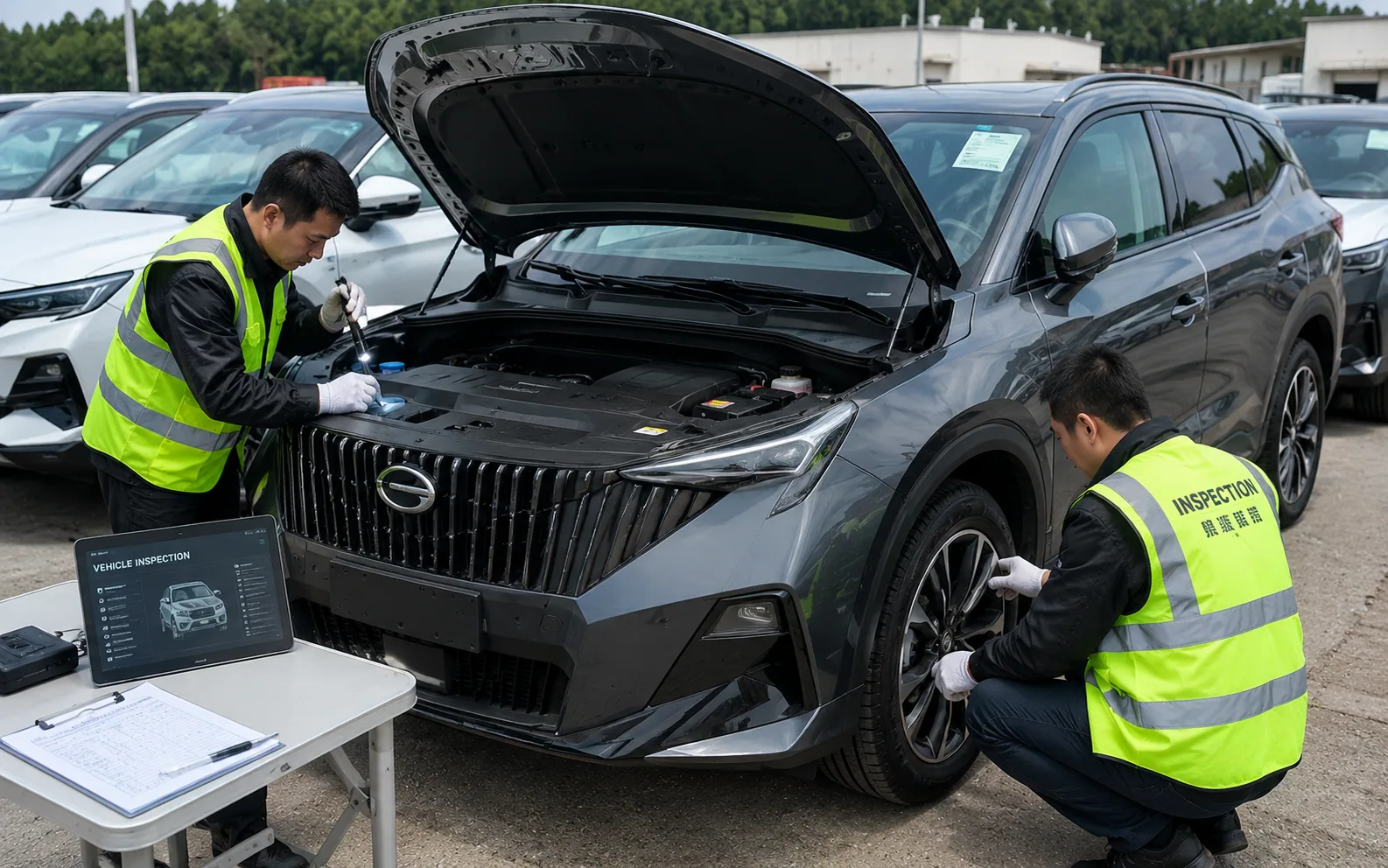
Model names can cover several batteries, drivetrains and regional configurations. Before ordering, confirm the VIN-linked specification, charging hardware, software language, included cable and destination eligibility. Published specifications are useful for research, but the sales documents should describe the actual vehicle being supplied.
This article reflects information available at its original publication date. Vehicle specifications and destination requirements should be confirmed for the exact vehicle and shipment.